Agentic Ops · 3 min read
United Airlines Bans AI Agents From Booking and Changing Tickets
Every third-party AI bot is now "unauthorized" since United has no approved-agent program, joining Amazon, eBay, Chase and Target in restricting automated buyers.
Key takeaways
- United Airlines now restricts all unauthorized AI agents from making material changes to reservations and purchased tickets.
- United does not yet work with any AI agent providers for authorized access.
- Amazon, Booking.com, eBay, JPMorgan Chase, and Target already restrict AI agents at varying levels.
- AI agents have been hacking e-commerce sites at $25 per site, per Forrester.
- Forrester recommends whitelisting verified providers like Anthropic, Meta, and OpenAI, with token-based access and step-up authentication.
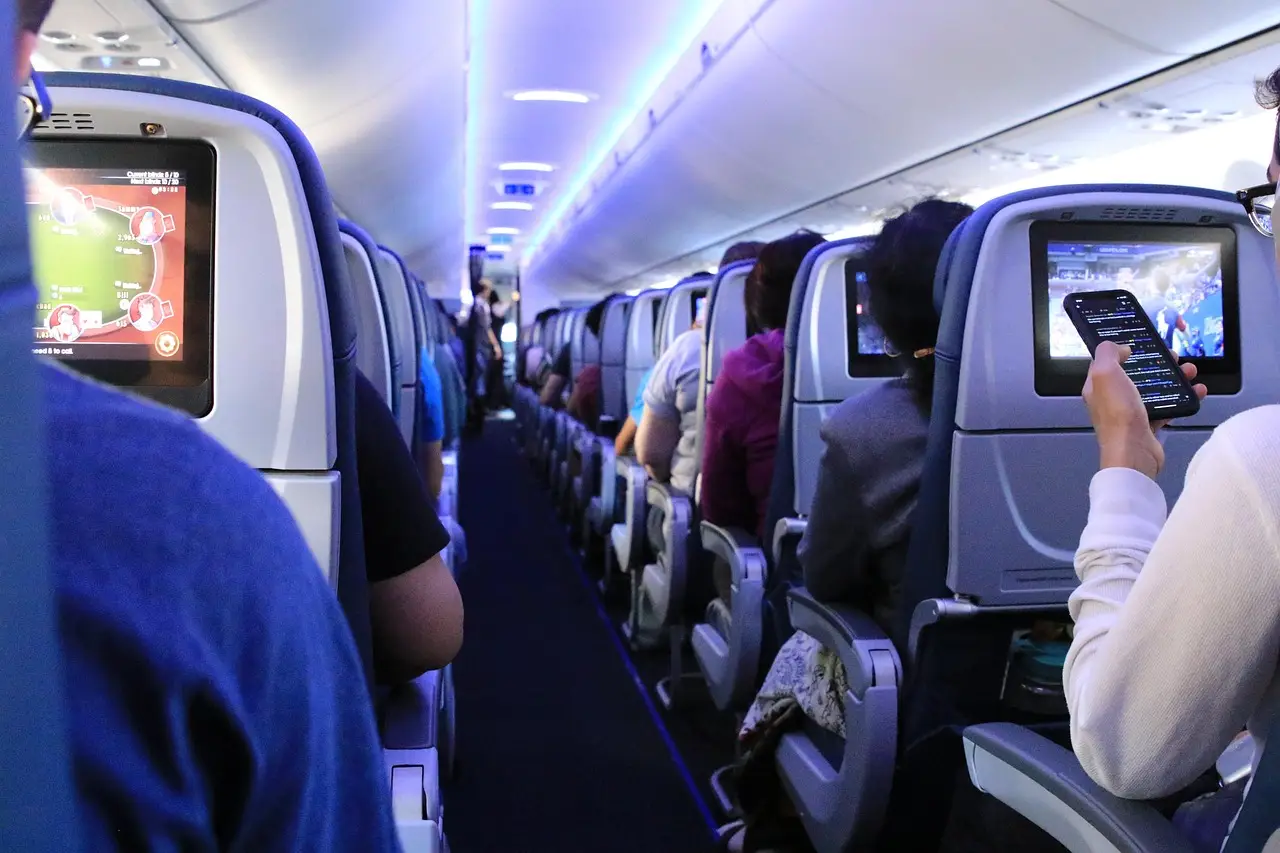
United Airlines now restricts all unauthorized AI agents from making material changes to reservations and purchased tickets, according to an announcement on the airline's site. Any third-party AI agent, bot, browser extension, or browser feature that searches, books, buys, manages, or collects information on United.com or the United app counts as unauthorized if the airline has not granted permission. United does not yet work with any AI agent providers for authorized access, so in practice every outside agent falls under the ban today.
The stakes extend beyond one carrier. Amazon, Booking.com, eBay, JPMorgan Chase, and Target already maintain varying levels of restrictions on AI agents accessing their sites or customer-facing channels, according to Forrester's analysis of the shift. United's move signals how quickly B2C commerce is hardening against automated intermediaries.
United framed part of its reasoning around data handling. "This data helps us meet regulatory requirements while also enabling us to deliver personalized experiences and improvements to our products and services," the airline said in its communication. "This is a responsibility we take seriously."
Why are commerce sites blocking agents now?
Forrester identifies eight drivers behind restrictions like United's, and several carry direct operational weight for marketers:
- Customer experience control. Brands want to own the journey, though Forrester notes that blocking all agent access long-term may prove counterproductive.
- Security gaps. Existing identity and access management and fraud management layers may not detect or manage AI agents at all.
- Middleman risk. Restricting third-party agents preserves control and prevents bots from overloading a site with excessive queries that create service degradation.
- Fraud exposure. Unvetted agents add liability, and AI agents have been hacking e-commerce sites at a cost of $25 per site.
- Immature defenses. AI agent runtime controls and know-your-agent validation remain emerging technologies that may struggle at scale in prime-time, mission-critical use.
- Regulatory exposure. Loss of personally identifiable information caused by an agent could damage compliance standing and brand reputation.
- Waiting for standards. Until mature liability schemes, agent verification, and authentication tools with proper human-in-the-loop decisions emerge, many B2C organizations will likely limit third-party agents on commerce sites.
What should marketers and commerce teams do?
Forrester recommends four concrete steps for B2C commerce sites. First, define a set of well-known and verified AI agent providers, naming Anthropic, Meta, and OpenAI, and allow only those to act on behalf of customers. Second, mandate short-term token-based access rights management and delegation, including explicit human-performed step-up authentication.
Third, err on the side of caution when customer AI agents attempt high-risk, high-value transactions, such as the ticket purchases and reservation changes at the center of United's policy. Fourth, audit all agent actions in detail.
What does this change for campaign strategy?
For marketers running acquisition or retention programs that route through third-party automation, United's policy is a warning shot. Any stack component that touches a partner site as an agent, extension, or bot can now be cut off without notice, and the list of enforcing brands already spans retail, travel, and banking.
The near-term equilibrium is a whitelist model: verified providers, tokenized access, step-up authentication on high-value actions, and full audit trails. Teams that depend on agentic purchase flows should audit which of their tools would pass that bar today.
united.com (Original)
More from Grace Kim
Show full bio
News editor covering people, launches and day-to-day practice in AI-native marketing practice at Vibe Marketing.
14 articles