Agentic Ops · 3 min read
Klarna Card Volume Doubles as GMV Hits $36.1 Billion
Revenue rose 12% to $1.01 billion and merchants grew 59% to 1.35 million, while an AI assistant now handles orders, tracking and returns in trials.
Key takeaways
- Klarna reported 111% card-volume growth and $1.01 billion in revenue, up 12%.
- Purchase volume rose 10% to $36.1 billion, while U.S. volume increased 24%.
- Klarna reached 1.35 million merchants after adding 142,000, up 59% year over year.
- Fair Financing grew 61% to $5.2 billion; 10% of active European customers used it versus 35% in the U.S.
- Customer deposits totaled $12.7 billion and supplied 88% of Klarna’s funding.
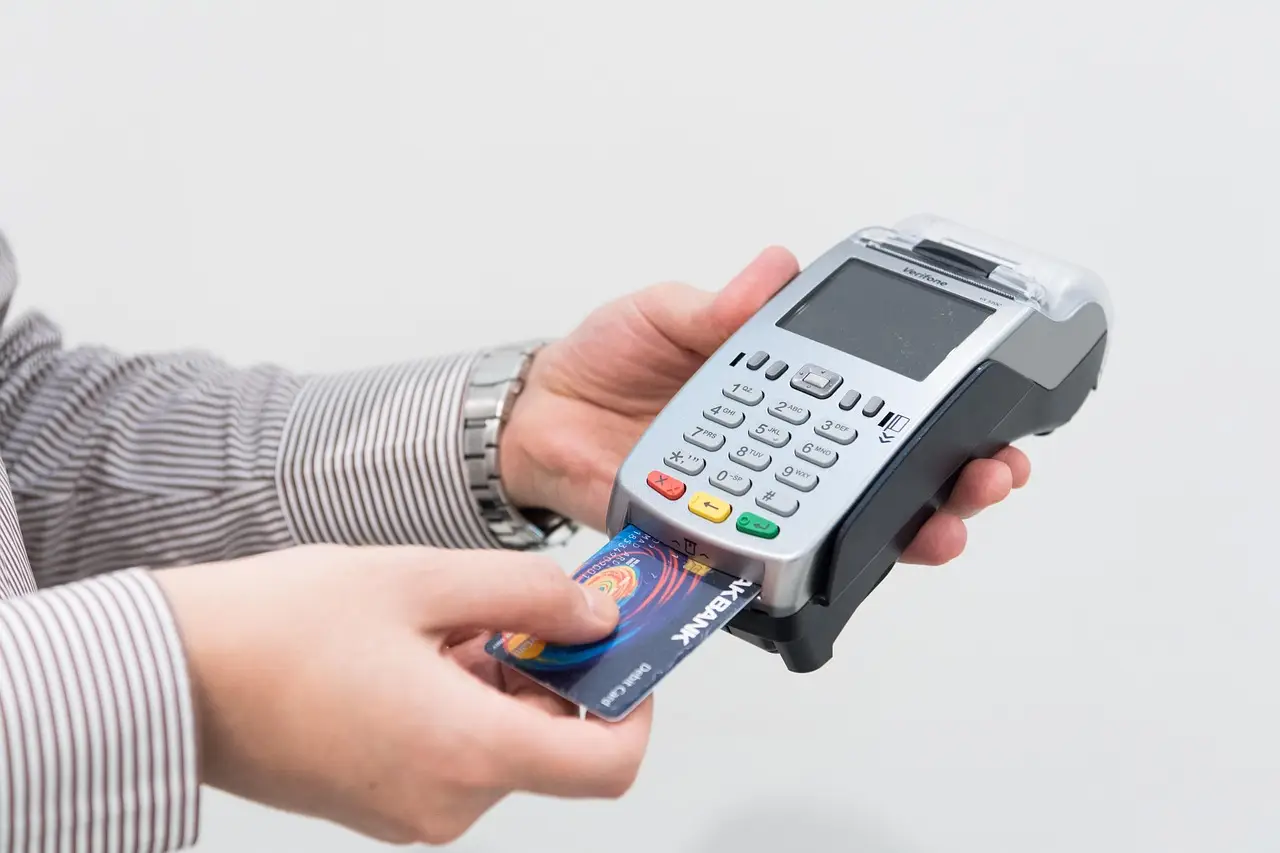
Klarna’s card volume jumped 111% as revenue rose 12% to $1.01 billion and purchase volume reached $36.1 billion, up 10%. Transaction and service revenue grew 8%. U.S. purchase volume rose 24%, while volume outside the U.S. rose 7%. Klarna shares gained 2.6% to $13.99 in Tuesday’s early trading after the earnings release.
How did Klarna expand its footprint?
Klarna added 142,000 merchants from the prior quarter, taking its total to 1.35 million, up 59% year over year. The card also works at stores where Klarna has not been integrated at checkout, widening where shoppers can use it.
The product mix remained weighted toward installment spending:
- Pay Later, aimed at clothing and other mid-priced purchases, supplied roughly three-quarters of volume and grew 6%.
- Pay in Full, the everyday spending product, accounted for $3.5 billion.
- Fair Financing, the longer-term option for bigger purchases, grew 61% to $5.2 billion.
- Paid subscribers tripled, while subscription revenue surged 530% to $43 million.
What does this change for marketers?
Klarna is testing an upgraded AI assistant that can place orders inside its shopping browser. A Tuesday demonstration showed the assistant tracking deliveries and handling returns. The service now runs for a small user group through WhatsApp, iMessage and the Klarna app, with preregistration open.
For campaign teams, that adds an agent-mediated path from product search and price comparison through purchase, delivery and returns. Klarna’s existing browser has helped shoppers spend more than $34 billion since 2020, but management disclosed no order volume for the assistant trial. The funnel exists. The trial numbers do not.
Co-Founder and CEO Sebastian Siemiatkowski said: “This is where we’re seeing the opportunity, in agentic commerce, to add that additional feature and experience on top of something that we’ve already offered for a long period of time.”
The assistant sits within a broader push to give shoppers more ways to pay. Asked about payment choice, Siemiatkowski said: “customers should have the choice between debit and interest free credit at a single purchase opportunity.” That is Klarna’s product thesis in plain terms: one purchase opportunity, multiple payment paths.
Where does Europe lag?
Asked about Europe, Siemiatkowski attributed slower U.K. growth relative to the U.S. to a pattern seen across the customer base. About 10% of active European customers used Fair Financing over the past year, compared with 35% in the U.S.
Klarna has made Fair Financing a default offering in Spain and Italy. The company plans to expand it across Europe in 2027. That places a faster-growing product at the center of its European push, although current usage still trails the U.S.
How are credit risks changing?
Chief Financial Officer Niclas Neglén described Klarna’s customers as generally healthy. Pay Later delinquencies of at least 30 days fell to 1.4% from 1.7% a year earlier. Fair Financing delinquencies rose to 3.7% from 3.5%; Neglén attributed that increase to the expansion of financing on the card.
Customer deposits reached $12.7 billion at quarter-end and represented 88% of Klarna’s funding. One product’s delinquencies improved. The other moved the wrong way.
The trade-desk takeaway: Klarna now pairs a 59% year-over-year merchant expansion with an AI shopping flow that can order, track deliveries and handle returns. Card volume supplied the headline. Marketers should watch for disclosed assistant orders, wider European Fair Financing use and a repeat card-volume print. Until then, the AI pitch is live, but its commercial size remains a blank.
Google News: agentic marketing (Source)
More from Nathan Brooks
Show full bio
Correspondent covering people, launches and day-to-day practice in AI-native marketing practice at Vibe Marketing.
18 articles