Agentic Ops · 3 min read
Coles eyes AI shopping agents as its next big marketing channel
CEO Leah Weckert's vision, revealed a day after a cyber incident disclosure, adds to a priority pile already strained by GLP-1 demand and budget pressure.
Key takeaways
- On Tuesday, Coles CEO Leah Weckert called technology-led shopping a sticky, structural change in consumer behavior.
- Future shoppers could use AI agents for weekly shopping, with Coles considering agent-to-agent product marketing.
- Weight-loss injections have surged in Australia; the TGA has also cleared a daily tablet, though no medicine was named.
- Families are choosing meat-free meals a couple of times a week as budget pressure drives trade-downs from steak to mince.
- Coles disclosed a cyber incident on Monday, one day before Weckert’s Tuesday comments, and said it did not believe data was compromised.
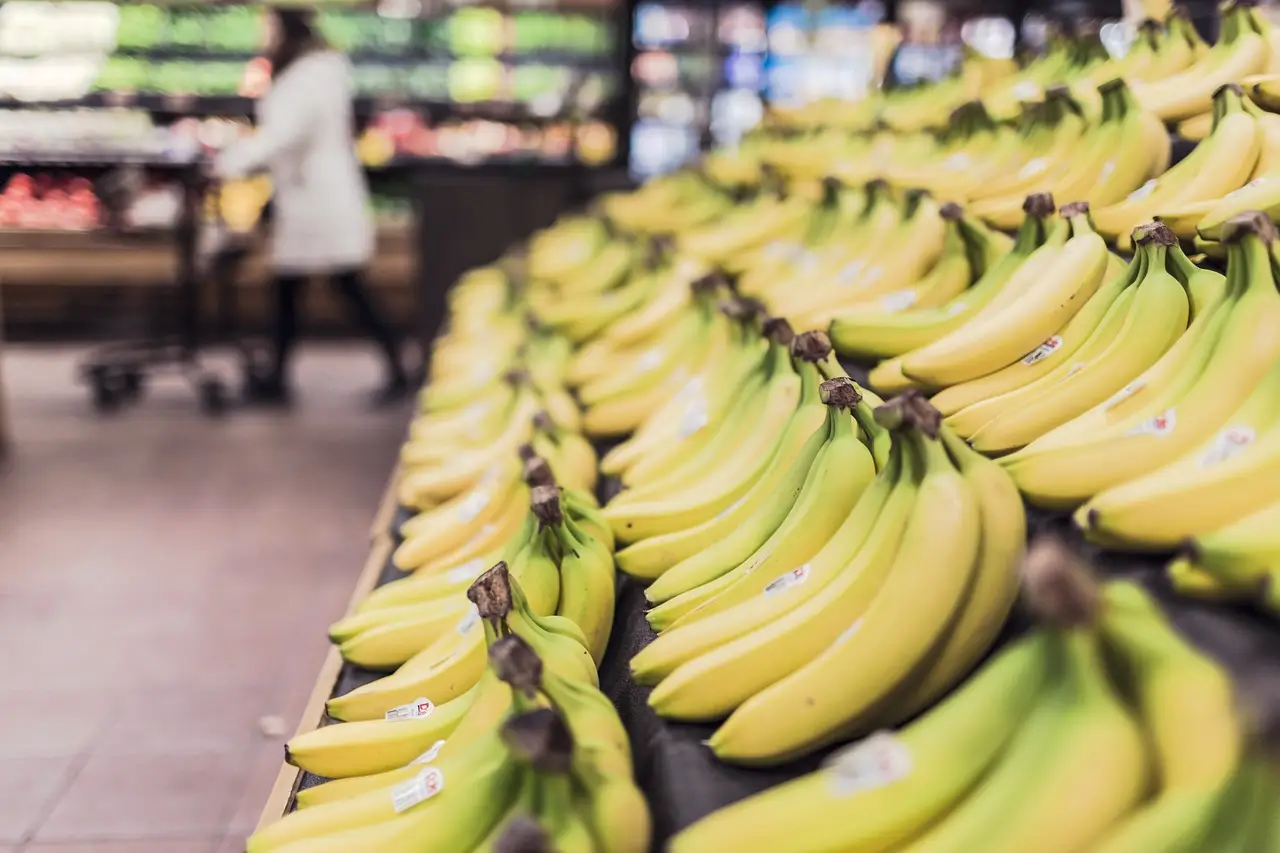
One day after Coles disclosed a cyber incident, chief executive Leah Weckert said AI agents could become the grocer’s most direct marketing channel, influencing product choices through the software shoppers use.
How will AI agents change Coles’ marketing?
Speaking Tuesday, Weckert called technology-led shopping a sticky, structural change in consumer behavior. Customers already use digital tools more often, she said, and consumers of the future could delegate weekly shopping to AI agents.
Coles wants to capitalize on that behavior by developing bots that influence the tools making product recommendations. Her comments reflect a broader supermarket ambition to advertise directly to shoppers through their AI agents, extending brand marketing into the decision process itself.
“There’s a huge opportunity … our AI agent can actually market to your AI agent and say the reason you should buy these products is because of X, Y, and Z,” Weckert said.
Although she said she loves grocery shopping, most people want to complete the task quickly and do not scan stores for unfamiliar or innovative products, according to Weckert. Inter-agent conversations could guide a shopper toward Italian or hormone-free products in line with stated preferences, giving Coles a route beyond conventional shelf visibility.
Weckert also identified medical advances and climate change as longer-term forces likely to weigh on consumer behavior. Her more immediate concern was how medical adoption could alter product selection, shelf space and the ranges supermarkets carry.
How could weight-loss drugs reshape grocery demand?
Weight-loss injections have surged in popularity in Australia, and the Therapeutic Goods Administration has cleared a daily tablet for use; no medicine was named. Weckert supplied no figure for household adoption.
“GLP-1 drugs like Ozempic are probably going to be one of the biggest transformations to the food industry we’ve seen for decades,” Weckert said.
She described GLP-1 drugs as already penetrating households significantly. For Coles, that means reconsidering how much space to give particular products and what ranges to keep in stores. The chief executive did not announce specific assortment changes.
What is happening to mainstream grocery demand?
Consumer preferences have shifted sharply as customers balance household budgets, Weckert said. She expects those shifts to ease as the economy improves, but trade-down behavior remains a major theme.
Shoppers are swapping steak for mince, she said. More families are choosing meat-free meals a couple of times each week. Eggs also stand out in her value comparison: she described them as the lowest-cost-per-gram source of protein available in Coles supermarkets.
Budget pressure therefore reaches beyond a single promoted category, with shoppers comparing price, dietary attributes and other product reasons before buying. For campaign teams, the actionable step is to audit product data and build recommendation logic around those reasons, then model assortment and message implications under budget pressure and GLP-1-related demand.
What did the cyber incident change?
Weckert was pressed on a rapidly advancing cyber threat to Australian businesses after Coles itself was targeted 24 hours before her Tuesday comments. The supermarket said on Monday that it had dealt with the incident but supplied scant details. It did not disclose the cause, affected systems or operational effects, and said it did not believe data had been compromised.
Marketers should treat agent-to-agent advertising as a planning direction rather than a live channel: Coles gave no launch date, named technology partner, campaign or product specification. The immediate work is to test recommendation logic, product data and budget-sensitive messaging while the retailer develops the proposition.
Google News: AI marketing (Source)
More from Amara Osei
Show full bio
Senior reporter covering companies, deals and strategy in AI-native marketing practice at Vibe Marketing.
15 articles